
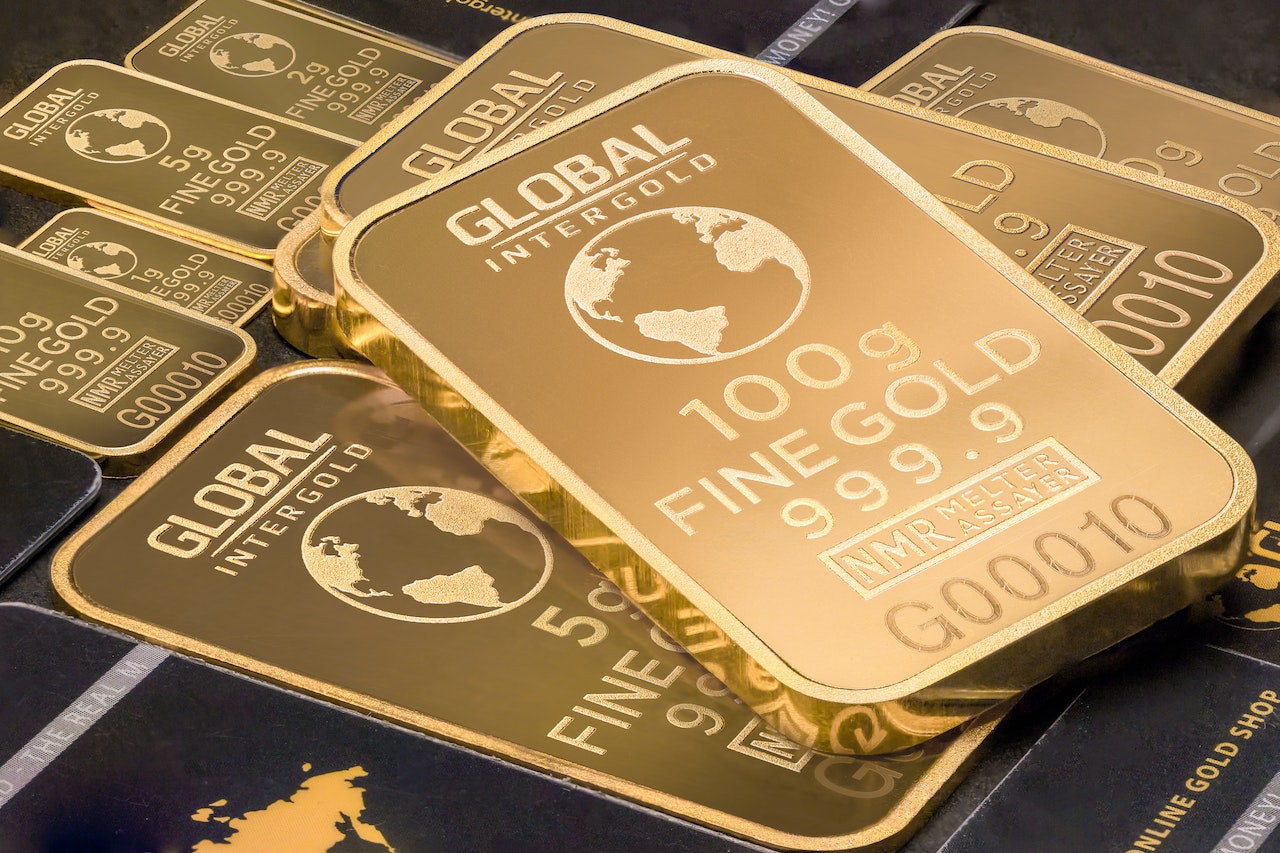
Biggest Gold IRA Scams Every Investor Must Beware
Without a doubt, gold investing, such as gold IRA accounts, can be a lucrative way to diversify your portfolio and safeguard your wealth. After all, gold has stood the test of time as a reliable store of value. However, just like any investment opportunity, scammers are out there looking to take advantage of unsuspecting investors. That’s why it’s crucial for every investor to be aware of the biggest Gold IRA scams lurking in the market.
Leveraged Accounts
 Leveraged accounts may sound enticing, promising high returns on your investment. However, they can be a breeding ground for scams in the Gold IRA industry. These accounts involve borrowing money to invest in gold, with the hope that the increased buying power will lead to substantial profits. But here’s where things get tricky – scammers often use leveraged accounts as a way to exploit investors by exaggerating potential returns and downplaying the risks involved. They lure unsuspecting individuals with promises of quick wealth and fail to disclose the true nature of this risky financial strategy. One common tactic employed by scammers is inflating the value of gold or making false claims about its future price trajectory.
Rare Coin Scams
When it comes to investing in gold, rare coins can seem like an appealing option. After all, they have the potential to increase in value over time and can be a unique addition to any collection. However, investors must be cautious of the many rare coin scams that exist. One common scam is when unscrupulous dealers misrepresent the value or rarity of a coin. They may claim that a particular coin is extremely rare and charge exorbitant prices for it, only for investors to later find out that the coin is not as valuable as claimed. Additionally, some scammers will offer “exclusive” deals on rare coins but require large upfront payments before delivering the goods. This is such a red flag to be more aware of.
‘Bait and Switch’ Tactics
This deceptive strategy involves luring investors with attractive offers and then switching them to different products or services once they have committed their funds. In this scam, unscrupulous companies often promise high returns and secure investments in gold, enticing unsuspecting investors to put their hard-earned money into the scheme. However, once the investment is made, these fraudulent companies may redirect the funds toward other investments or even disappear altogether. The ‘bait and switch’ tactic can take various forms. For instance, some dishonest firms might present themselves as reputable gold dealers but end up selling overpriced coins or low-quality bars that are not worth their weight in gold.
Gold ETF Impersonation
In this scam, unscrupulous individuals or companies may claim to offer an investment opportunity in a Gold Exchange-Traded Fund (ETF). They might tout the benefits of investing in a gold-backed fund without actually delivering on their promises. These scammers often use high-pressure tactics and misleading information to convince investors they are investing in legitimate gold ETFs. They may promise unrealistically high returns or downplay the risks associated with these investments.
How to Stay Safe When Investing in a Gold IRA Account
Investing in a gold IRA account is always lucrative if you can stay protected against these scams. All you need to do is to work with a reputable custodian or dealer. …
 If someone is pressuring you to buy health insurance, it’s probably a scam. Legitimate insurers will never try to pressure or coerce you into purchasing a policy. Additionally, be wary of anyone who claims to be from the government or a government-sponsored program. The only place you can buy health insurance through the government is on the Health Insurance Marketplace (or your state’s equivalent). If someone contacts you out of the blue and tries to sell you health insurance, it’s a good idea to hang up the phone or close the door. And if you get an unsolicited email, don’t click on any links.
 One of the first things you’ll notice about a health insurance scam is that they will