
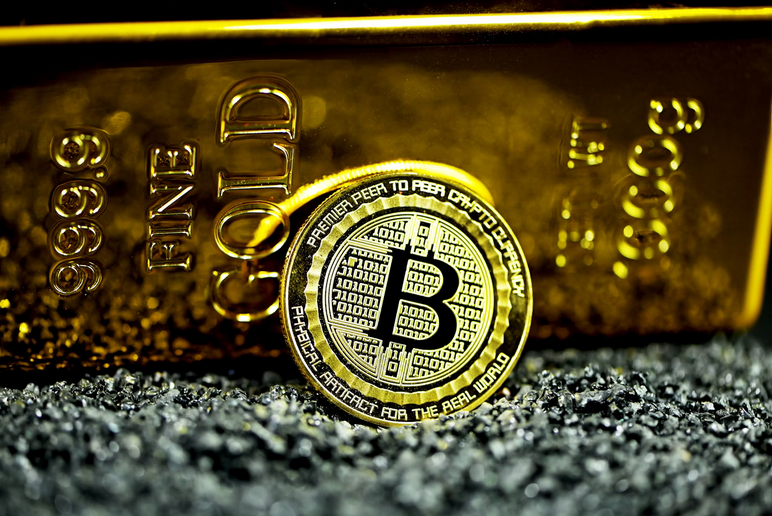
Cryptocurrency and Cross-Border Payments: Revolutionizing International Transactions
In an era marked by global connectivity and rapid technological advancement, the landscape of cross-border payments is undergoing a profound transformation. It is true that silver bullion bars as an investment still offer a tangible counterpart to the digital revolution occurring in cross-border payments, but speed and practicality are two elements that investors seek these days. While cryptocurrencies pave the way for borderless and efficient transactions, silver bullion bars represent a time-tested store of value, appealing to those who seek a physical asset with intrinsic worth. In this article, we’ll explore how cryptocurrencies are reshaping the way we think about cross-border payments, introducing efficiency, speed, and accessibility to a traditionally complex financial domain.
The Cross-Border Conundrum: Traditional Challenges
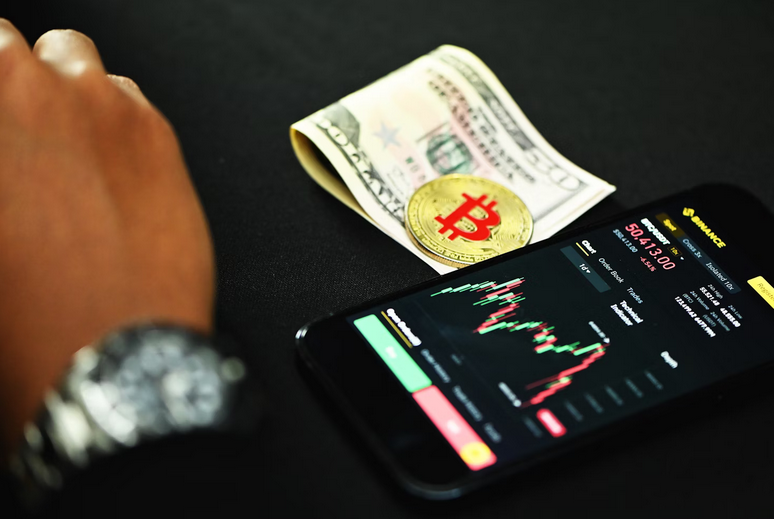
Traditionally, cross-border payments have been marred by a myriad of challenges, including exorbitant fees, lengthy processing times, and reliance on multiple intermediaries. These hurdles not only impede the speed of transactions but also result in significant costs for businesses and individuals engaged in international trade or remittances. Enter cryptocurrencies, the disruptors challenging the status quo.
Cryptocurrencies: The Borderless Pioneers
Cryptocurrencies, such as Bitcoin and Ethereum, operate on decentralized blockchain networks that eliminate the need for traditional banking intermediaries. This decentralization is at the core of their ability to facilitate cross-border transactions seamlessly. The borderless nature of cryptocurrencies allows users to send and receive funds globally without the constraints imposed by national borders or banking hours. One of the most compelling advantages of using cryptocurrencies for cross-border payments is the potential for significant cost reduction. Traditional methods often involve hefty transaction fees imposed by banks and payment processors coupled with unfavorable exchange rates. Cryptocurrencies, by cutting out many intermediaries, can dramatically lower these costs, offering a more economical solution for businesses engaged in international commerce and individuals sending remittances.
Speed of Transactions: From Days to Minutes
In contrast to the days or even weeks required for traditional cross-border transactions to settle, cryptocurrencies facilitate near-instantaneous transfers. This remarkable speed is a game-changer for businesses that rely on timely payments and individuals who depend on swift remittance services. Cryptocurrencies, operating on blockchain technology, enable transactions to be verified and recorded in a matter of minutes if not seconds.
Financial Inclusion: Empowering the Unbanked
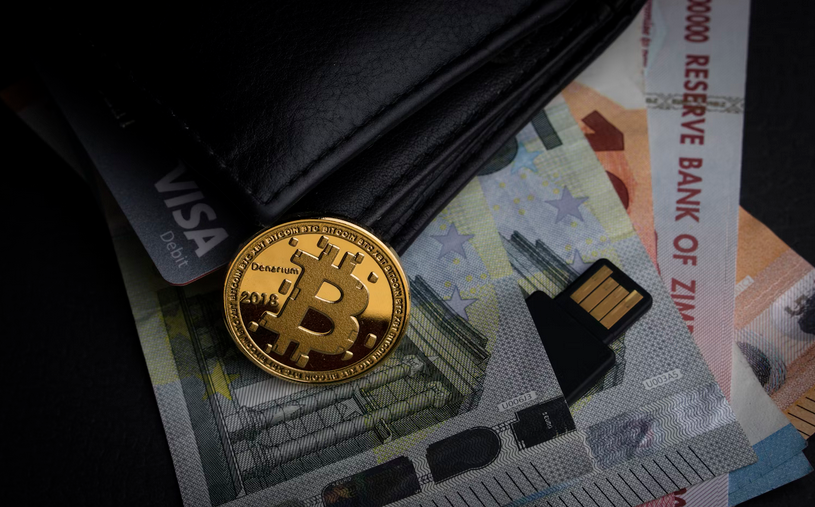
A significant portion of the global population remains unbanked or underbanked, lacking access to traditional financial services. Cryptocurrencies provide a bridge to financial inclusion by allowing individuals to participate in the global economy with nothing more than a smartphone and an internet connection. This inclusivity is particularly impactful for those in regions with limited banking infrastructure.
Challenges and Solutions: Navigating Regulatory Landscapes
While the benefits of using cryptocurrencies for cross-border payments are evident, challenges related to regulatory frameworks must be addressed. Governments and financial authorities worldwide are actively working to create clear guidelines and regulations for the use of cryptocurrencies, striking a balance between innovation and risk mitigation.
The integration of cryptocurrencies into cross-border payments represents a paradigm shift in the way we conduct international transactions. The efficiencies introduced by decentralized technologies have the potential to redefine the entire concept of cross-border payments, making them more accessible, cost-effective, and inclusive. As we navigate this new era, the collaboration between cryptocurrencies and traditional financial systems will likely play a crucial role in shaping the future of global transactions, paving the way for a …

 When protecting against inflation, precious metals have long been regarded as a safe haven for investors. Gold, silver, platinum, and palladium have historically held their value during economic uncertainty. One key advantage of investing in precious metals is their tangible nature. Unlike stocks or bonds subject to market volatility, physical gold or silver can be held in your hand. This provides a sense of security and control over your investment.
 Real estate is often considered one of the best investments against inflation. This investment option has a long history of providing stable returns and acting as a hedge against rising prices. When investing in real estate, you are investing in tangible assets with inherent value. Unlike stocks or bonds, which can be affected by economic downturns or market volatility, real estate tends to hold its value over time. This makes it an attractive option for investors looking for stability and long-term growth. In addition to its potential for appreciation, real estate also offers other income-generating opportunities. Rental properties can provide a steady stream of passive income, while commercial properties can generate rental income from businesses operating within them.



 As mentioned, gold IRAs offer investors the chance to diversify their portfolios with a physical asset. Gold has historically held its value, making it an excellent choice for retirement planning. Additionally, gold is not subject to inflationary risks or other market volatility associated with stocks and bonds. Furthermore, gold IRAs provide many benefits that aren’t available in traditional IRA accounts. For example, gold IRAs are not subject to a maximum contribution limit, meaning you can invest as much money as you want in your account. Also, physical gold stored in an IRA is exempt from capital gains tax when withdrawn from the account.
 This is exactly the issue we are addressing now. We’re glad people think about the main reasons why they should put their money into something. For those who are self-explanatory, getting sick can be quite miserable. You might find yourself in a stressful situation due to the increasing cost of healthcare. During medical emergencies, you don’t need to lose your peace of mind or your hard-earned cash.

 Nowadays, buying gold bars is a growing trend. Also, collectors and small savers are choosing the quintessential metal for their investments. They also try to find a precious and extremely valuable luxury gift. Each gold bar involves a large financial outlay. However, it is not difficult to promote your gold bars to silver dealers.


 It’s essential to learn your
  Always seek advice about the best way best to spend money. Money is the cornerstone of survival, and also you ought to manage it correctly. There are lots of financial advisors everywhere. In case you’ve difficulty handling your fund, think about seeing them for a few hints on cash management. Not everybody can manage his finances, don’t fear. What’s more, look at knowing your earnings, scheduled to the cash, have a strategy for the retirement and plan for the own death.
 Don’t invest all of your salaries. Be cautious about your future. Create a habit of setting aside a part of your earnings for future usage. Furthermore, savings will be able to assist you in the event of crises. When a crisis arises, and you don’t have any cash to manage it, you might wind up. Make a saving function as the custom of handling your fund. Handling your fund is a strong point to put under account. Poor financial management contributes to financial strain, and you might wind up being miserable or overly worried. Establish financial objectives, avoid unnecessary expenditures, budget for the cash, hunt for relationship information, and repay debts. Handle your fund nicely to minimize the price on your expenses and maximize gains from your investments.…