
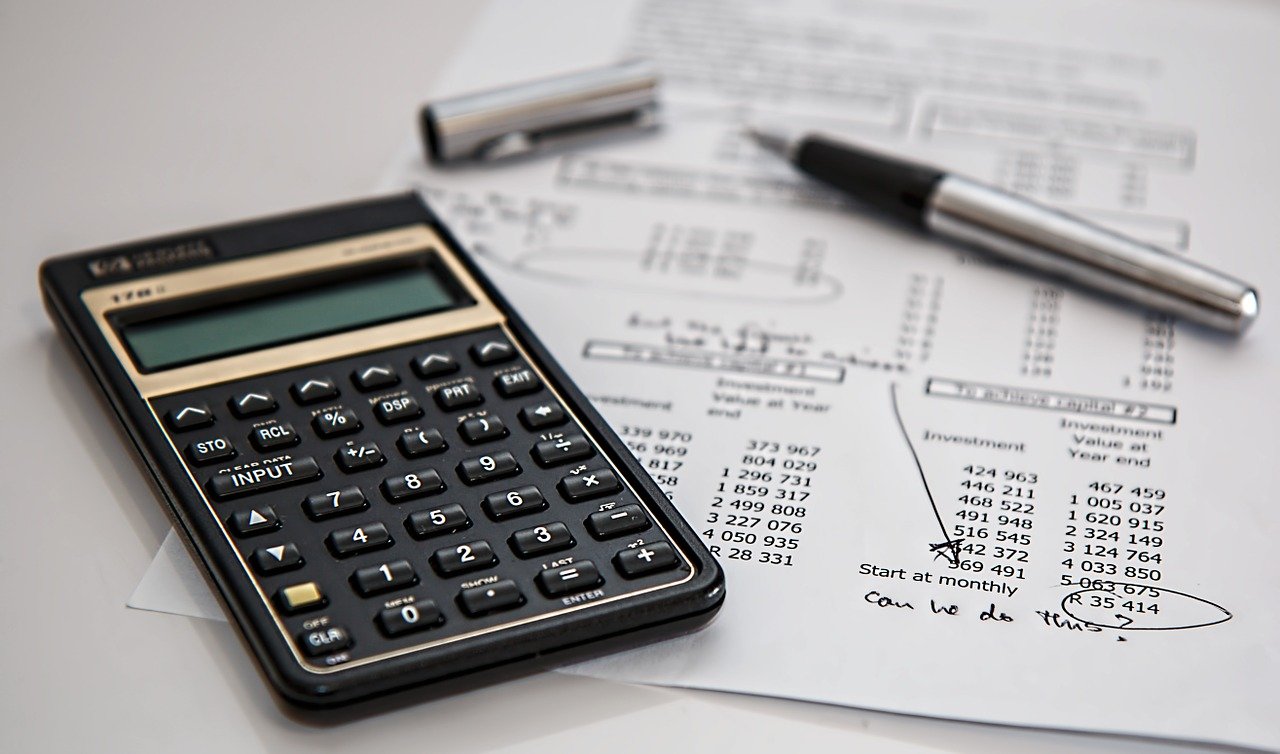
Ways Freelancers Can Track Their Finances
Freelancers are often faced with the problem of running out of money before they can complete their work. Most freelancers don’t track or plan how much they spend on expenses and where that money goes. This is why some choose to record expenses. However, there are a lot of tools for freelancers to use to help them manage their finances better. Here are ways you can start tracking your finances as a freelancer.
Install an Application
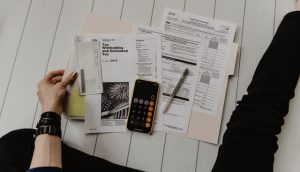 There are a lot of great applications that can help you track your expenses. Popular ones include Mint; You Need a Budget (YNAB), and Wally. These applications connect to your bank account and credit cards so that you can see all of your transactions in one place. This makes it easy to spot any patterns in your spending and see if it’s time to make changes to your budget.
Create a Spreadsheet
If you don’t want to use an application or need something more customizable than what the applications provide, creating a simple spreadsheet can be helpful too. You could either build one yourself using Excel, Google Sheets (available online), or an online application like Google Docs. This is how some people do it and they find it very convenient and simple.
Keep Every Receipt
One way to make sure you’re keeping track of your expenses is to keep every receipt. This can be a pain, but it’s the most accurate way to track your spending. You can use a physical folder or binder to store your receipts or an electronic system like Evernote or Dropbox. This is a very manual process, but it can be very effective if you’re diligent about it.
Use a Budgeting Method
 There are a lot of different budgeting methods out there, and you may need to try a few before you find one that works for you. One popular method is the 50/30/20 rule. This says that you should spend 50% of your income on needs, 30% on wants, and 20% on savings. You can also use the envelope system, where you put a certain amount of money into envelopes each month for different categories like groceries, transportation, and entertainment.
Freelancers can improve their financial well-being by tracking and managing money flow in and out of their bank account. To do this, freelancers should keep a ledger or spreadsheet that lists all expenses incurred for both business and personal use in one place so they can accurately track how much is going in versus coming out each month. By doing so, you will be able to improve your financial future such as saving more or investing wisely.…
 Warning signs often precede business bankruptcy. Pay attention to red flags such as slow or missed payments, decreased cash flows, and increasing debt levels. Understand the difference between profit margins and gross profits.
 You can’t prevent every setback from happening, but you can take control of your business by being as proactive as possible in planning for the future and taking action to achieve goals along with those plans. Avoid waiting until there’s an emergency because it will be too late at that point. Have a solid plan, and make sure you do everything possible to stick to it.